
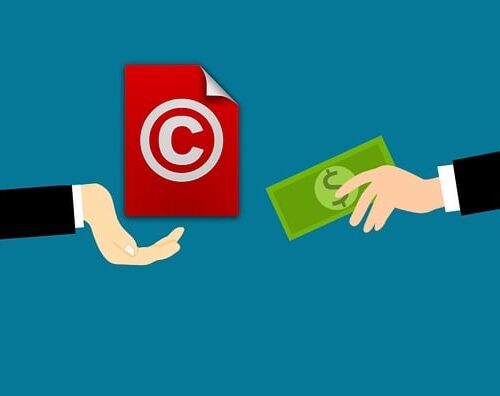
Copyright problems no longer only affect bands against other bands for plagiarism cases, but on YouTube and other platforms, content creators are affected as well.
I’m primarily referring to reaction channels, which are platforms where people share their opinions about music, movies, TV shows, news, and other topics. The content to which they react is usually protected by copyright law, so it can’t be used without permission from its owner (the author, the record label, or whoever owns it or has rights to it). Sometimes this use falls under the exception of fair use, but that is attached to a judge’s perspective.
Rick Beato
The American music producer and YouTuber Rick Beato has repeatedly faced copyright claims on his channel, even when using short clips for educational purposes. It’s so ridiculous that even he has admitted to having done interviews with musicians and played music from the same artist in the background, only to receive copyright claims from the artist’s record label.
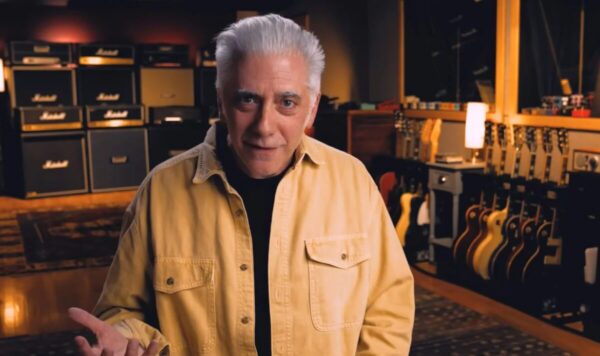
Many of his videos were demonetized, blocked, or had to be edited. Beato has publicly criticized how copyright systems, especially automated ones, affect educational content.
This shows how copyright enforcement has evolved: it’s no longer just about lawsuits, but also about platform algorithms and automated claims. Even legitimate uses (like commentary or teaching) can be restricted.
While classic lawsuits shaped music copyright in courtrooms, today’s battles often happen on platforms like YouTube, where algorithms, not judges, make the first decision.
The sanctions usually are: the video that committed the copyright infringement is blocked; the monetization of the video’s content goes to the record label or the artist whose rights were infringed; and in more severe cases, when the infringements are repeated, the channel gets shut down. Many channels have suffered these consequences.
My opinion on this…
Record labels and owners sometimes file copyright claims against these YouTubers, but many people get to know those bands because of these videos, and I think that’s crucial, especially for smaller bands, to become more mainstream. There should be some level of tolerance, or perhaps buying music licenses, so that everybody wins.
This raises an important question: Is the system protecting artists or limiting how music can be discussed, taught, and promoted?
For me, this hurt, besides the creators, especially the artists, because it limits the way his music and art get spread and reach a broader audience that maybe without the curatorship through the eyes of a creator wouldn’t know them.
I know multiple bands thanks to these reaction channels, yeah, maybe I would have known those artists in another way, but the fact that it was through YouTubers is worth mentioning, since in these Internet times, I’m sure a lot of people get to discover new music like this, so I guess I’m not the only one. I hope someday these situations will be resolved in a better way.